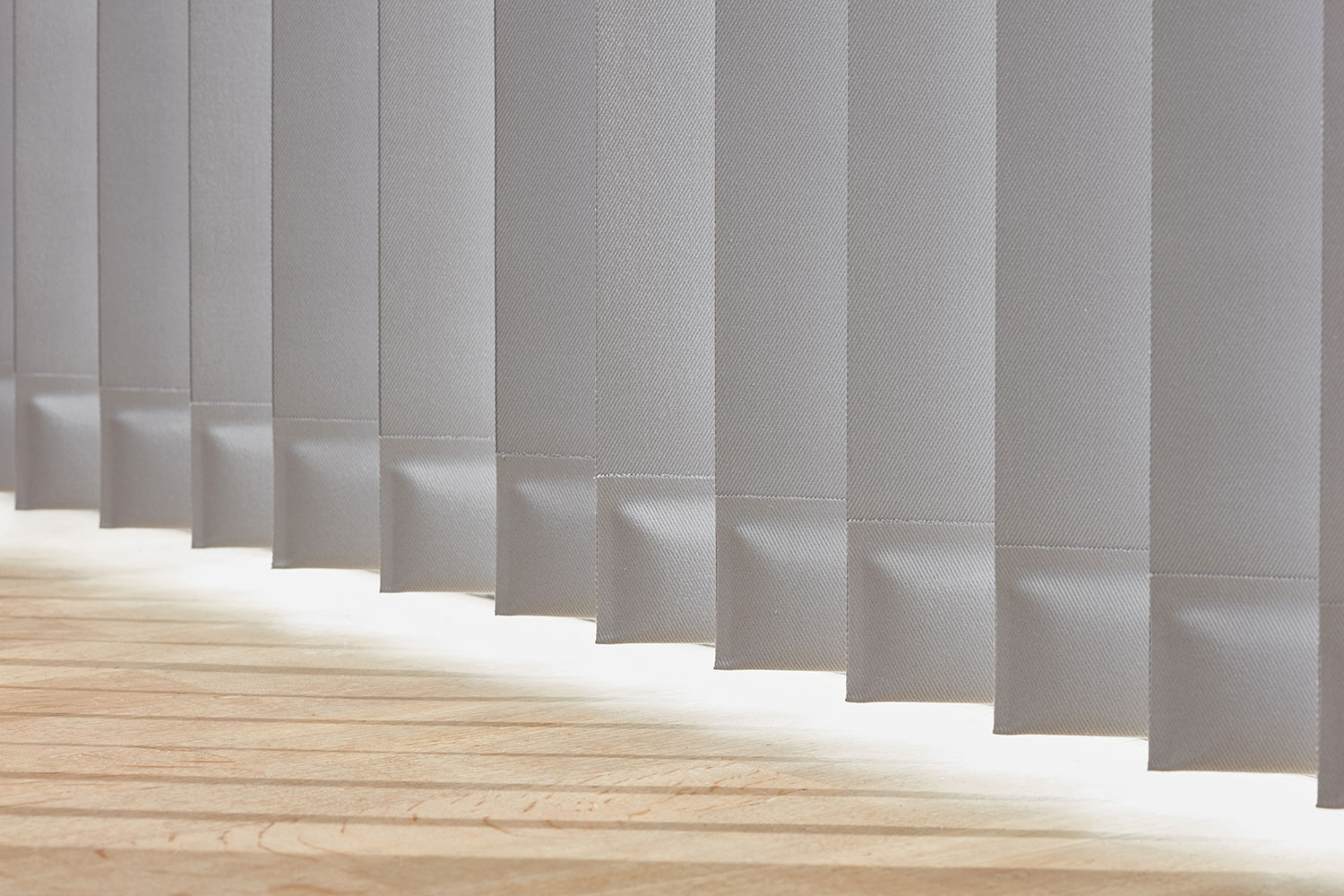
Your Complete Guide to Quality Blinds
Use Your Blinds As A Shade To Protect Your Home And ComfortIn Australian homes, the sun has become a valuable commodity. We love its warmth, however, it also has its harsher aspects. Ultraviolet radiation and extreme heat can cause a rug to fade, and transform your living space into an afternoon sauna. The decision to choose blinds isn't just about style and privacy as well as protection from the elements. Blinds are your primary protection from the Australian Sun. Knowing how different materials handle heat and UV is the most important factor in preserving your interior, your comfort and cooling budget. It's not about picking the right cover, but instead protecting yourself.
The attack that comes from our windows has two prongs. In Australia UV radiation is recognized as the most intense in the world. This invisible force doesn't just cause sunburns, but can also damage dyes and molecular bonds. It's a quiet force that causes vibrant purple cushion to turn pink and precious photographs or artworks to fade away behind glass. The other is the solar heat gain. The infrared radiation transforms glass into radiant heaters. The heat could flood your rooms and force air conditioners to operate more and increase energy costs. A blind that only offers shading is only fighting only half the battle. The most effective blinds are designed to handle the thermal and light energy as well.
Starting by introducing the basics of light filtering, you can achieve a wide range of protection. Simple, unlined designs such as Roman or roller blinds reduce the glare of sunlight and offer privacy. They offer the least amount of UV and heat protection. The curtains are made to protect the eyes from the sun but not its energy. To ensure your eyes are protected, you must look to specific materials and weaves.
The filter weave, also known as sunscreen is undisputedly the best. This precision fabric is usually a synthetic weave coated with PVC or some other substance. Its greatest strength is its specific filtering. It disperses direct sunlight and transforms it into a pleasant glow. While preventing UV rays that could cause harm the device blocks up to 90% of the harmful UV rays. It's similar to a pair of permanent quality sunglasses. In rooms where you need light, but without causing damage - living areas, home offices, sunrooms--this is the intelligent, modern choice. Its performance is assessed by Openness Factor. It is the proportion of weave with open space.
The blockout materials provide the most effective defense for situations that require complete protection. They are thick and tightly-woven materials that are typically covered with the rubberized or acrylic coating. They are nearly 100 percent (or more) effective in blocking ultraviolet and light radiation. They produce a darkroom-like appearance when they are fully reduced. This is perfect for windows for bedrooms, media rooms as well as windows that face the harsh west-facing sun. The additional benefit they provide is thermal insulation. Through the creation of a solid air barrier around the window, they dramatically minimize the transfer of heat by keeping summer heat out and the winter heat in. The latest versions are equipped with a reflective metal backing that actively reflect sunlight.
Honeycombs or cell blinds are a good illustration of how the design of the structure is a key factor. Their hexagonal foldings are the ultimate engineering feats. The air pockets in the vertical planes create a layer of insulation which slows the movement of heat. It's as a double-glazing blind. Their dense fabric walls provide excellent UV blocking and they provide excellent thermal performance all year long making interiors cool during summer and warm in winter. They are also the most efficient energy-efficient.
It's essential to look at more than the color in the front. You should ask questions regarding the materials composition and treatment. Solution-dyed textiles (like polyesters, acrylics, and nylons) have colour within the fibre itself. They are therefore more resistant to fade. Look for the UV inhibitor treatment that was included in the manufacturing process. In the case of PVC or vinyl, the thickness and the quality of the material will determine how long they will last as well as the degree of durability they will have under the constant exposure to sunlight.
It is crucial to shift your interaction with a vendor away from the personal ("I really love this color"), to the objective. Ask the revealing questions: "What is this fabric's specific UV block rate?" "Does it come with a reflective or thermal backing?" "What is the expected fade life for this type of material in a window facing north?" A reputable provider should know the answers to these questions, and can inquire about what you are trying to protect and how your window is facing. They will know the difference between a blind ideal for a bedroom that faces south, and one that is suitable for a lounge that faces north with silk furniture.
The final, often underrated aspect is the operating and fit. Even the most sophisticated material can be compromised by gaps. A professional installation is essential to stop "light leakage" or slivers which can cause fade. How often you use your blind will depend on its ease of operation. A blind that is too heavy to use will be left unattended, defeating the purpose. Smooth, cordless or motorised operation is a great way to use it for everyday purposes, and not for an exercise.
The benefit over the long term of investing in blinds is that they provide protection from heat and UV. This is a wise investment as it will protect your artwork as well as furniture and flooring. It's an investment in efficiency--directly reducing the strain on your cooling systems as well as reducing your energy costs. And it is an investment in liveability--creating comfortable, glare-free spaces that are a joy to inhabit throughout the day's changing light.
In Australia, where the sun is a constant, powerful presence, blinds can be much more than just a fashion statement. Your home's climate is controlled by the blinds. If you select the right material, you'll be able to let in the light according to your preferences, enjoy your view without spending a fortune and keep the hues of your home bright for many years to come. The smart use of shading is essential to a sustainable and comfortable life. View the top rated blinds for more recommendations including factory direct plantation shutters, blinds perfect fit, blinds 100, 1300 blinds, order custom shutters, blinds prices, blinds dir3ct, blinds in store, custom blinds australia, direct window shades and more.

The Silent Switch How Motorised Shades Are Subtly Redefining Australian Homes
The simple blind in Australian imagination is a device that has been mechanical for many years. An easy physical action like pulling the cord or the turn of a wand marks the rhythms of an apartment. However, a subtle change is happening that is not triggered by a change in fabric, but rather in the function. Motorisation, which was previously seen as a futuristic luxury in Australia, is now becoming a practical and essential aspect to consider. It's an evolutionary shift, that transforms blinds into a smart, integrated window covering. It provides unparalleled comfort while creating new opportunities for energy efficiency. It's not about removing the cord; it's about thinking differently about what blinds can offer.
Let's start with the instant attraction: simple and easy convenience. Take into consideration the Australian architectural style: the banked windows or the towering glass door or the skylight that's difficult to reach. Multiple coverings in a wide space or tall one can be troublesome to manage manually. With motorisation, a single command--a button on a remote, a tap on a smartphone, or a voice instruction--orchestrates the entire scene. It is possible to lower all of the blinds in your living room to block out the afternoon sun, without having to leave your seat. While you're sleeping you can easily open the curtains in your bedroom to enjoy the sunshine. This is transformative for spaces with large or numerous windows making a chore into a seamless part of your routine. Additionally, the motors employed are of superior quality. A well-designed motor will ensure smooth, consistent and quiet operation. This will eliminate the jerks and slips that are common in manual systems.
It directly leads to another Australian benefit, which is increased energy efficiency and control of climate. The control of temperature within our homes is the largest household energy expenditure. Motorisation allows for strategic, timed operation that manual methods cannot match. Your blinds can be active participant in the microclimate control of your house by integrating with an intelligent system or simple timer. You can set them to open automatically at 11am to stop the intense summer sun and avoid heat accumulation. They will then be raised after dusk. In winter, you could have them open early in the morning so that they capture the sun's passive heat. Close them at night to add an extra layer of insulation. This approach is a great way to reduce the demand on air conditioning and heaters. Lower energy bills are the result. Automating for comfort and saving energy.
The argument for safety in motorisation is powerful and twofold. It is the best solution for protecting children. The cords, chains and other objects are removed completely. This eliminates strangulation danger at its core and is in perfect alignment with Australian required safety standards and exceeds those requirements. This gives parents and grandparents peace of mind. It also increases home security. It is crucial to make sure your blinds move in an irregular pattern. This can deter potential criminals from gaining entry to your property. Your smart blinds will appear to be in use by lowering and raising at varying intervals when you're not there. This is not possible using manual blinds or timers. This adds the security you need to go about your day.
Integration and intelligent ecosystems are the keys to unlocking the full power of motorisation. Modern motorised blinds aren't isolated and are built to be connected. They are able to be integrated with platforms like Google Home, Amazon Alexa or Apple HomeKit for the use of voice commands ("Hey Google open the blinds in the living room"). In a more substantial way, they could be used to create scenes in an overall smart home automation. Imagine a "Good Morning", triggered from your alarm clock, that gradually raises the blinds in your bedroom, switches on the soft lights, and begins the coffee machine. An "Away" scene that secures the house through locking doors, arming alarms and closing the blinds. Integration with sensors could be used to lower blinds when the room temperature reaches a certain level or to close them at sunset depending on your place of residence. The control shifts from a reactive environment to a more responsive intelligent and intelligent environment that functions in harmony with your lifestyle.
Australians have more options than ever before when making this decision. Retrofit options are available that can motorise existing blinds using compatible headrails and often with no need for complete replacement. Battery-powered or hardwired motors are suitable for new installations. Battery-powered systems offer great flexibility and are easy to install. For normal use, lithium batteries can last up to two years. Hardwired systems are maintenance-free permanent solution that's ideal for new constructions or major renovations where wiring can be easily planned. The choice will depend on the ease of wiring in your home, and whether or not you'd prefer to have ongoing battery management rather than upfront electrical works.
Selecting the right system involves changes in how you communicate. You should consult with your suppliers "Can this be driven?" rather than just asking "Can it? The question you should ask is "How do I integrate it?" Ask them about their understanding of smart home protocols, like Wi-Fi Zigbee and Z-Wave. Ask about their recommended control systems and their reliability. Find out the coverage of warranty specifically for motor and electronic components. A reliable provider will speak about fail-safes, such as manual override in the case of a power failure. They'll also confirm that the system has been calibrated to match the weight and size of the blind.
A motorised home in Australia is an investment worth making. It will be more responsive, efficient and safe. This innovatively-automated solution tackles the biggest issues of our climate, lifestyle, and home. It transforms a passive household device into a powerful tool for managing lighting, heat, and privacy. It's more costly to set up than manual systems. However, over time savings in energy and security are realized, as well as daily convenience. It is a move towards a house that doesn't just shelter you, but actively works with you--a silent partner in crafting the perfect light, the right temperature, and the perfect atmosphere for Australian life, one automated adjustment at a time.